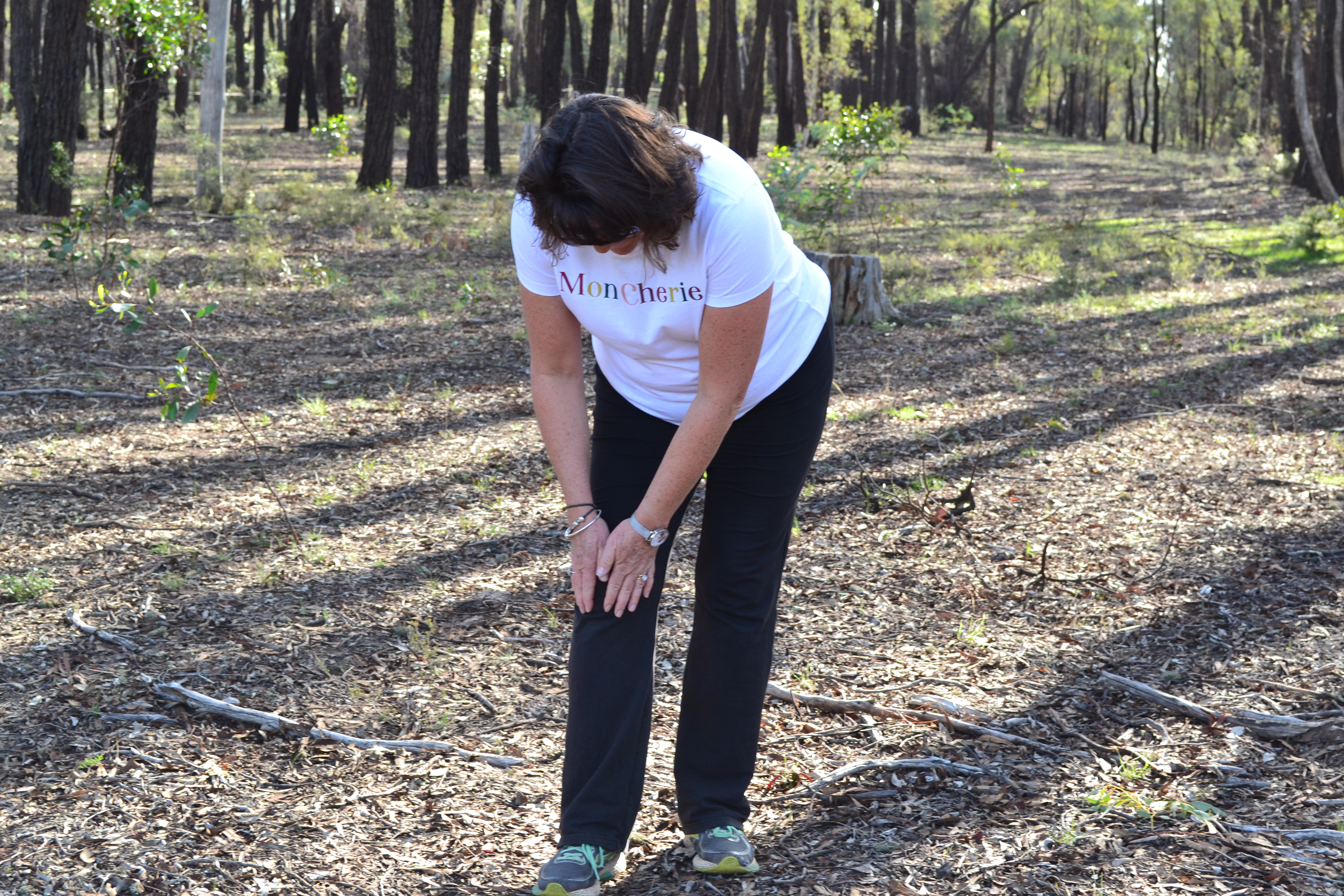
One of the many positives to come from COVID-19 has been the increase in people of all ages partaking in more physical activity than perhaps they did prior to the COVID-19 outbreak. This sudden increase in activity has been seen to cause an increase of lower limb injuries.
As people have started ramping up km’s from walking or running, there has been an influx of people presenting with shin pain.
What is shin splints?
The term “shin splints” is commonly used to describe pain at the front (anterior) or back (posterior) of the lower shin area. The most common form of shin splints is diagnosed as Medial Tibial Stress Syndrome and occurs along the lower, medial aspect of the tibia. Shin splints can be characterized by exercise induced pain and discomfort of the lower shin area. Shin splints is commonly associated with overuse or a rapid increase in activity. If left untreated or misdiagnosed, shin splints can become more severe, and in some serious cases, can lead to more serious injuries such as stress fractures.
How do I know that I may have shin splints?
Shin splints generally begins gradually and occurs during and after physical activity. At its mild stage, pain increases during activity, but pain reduces with rest or at the end of your run/walk. Pain can be described as a deep, dull, or throbbing ache to the shin region. Pain does not radiate, rather remaining focal to a specific area. In more severe cases (stress fractures), symptoms can present similarly to its mild stage, however pain can be more intense and feel debilitating.
How can a Podiatrist help me with my shin splints?
Your Podiatrist at Back In Motion will carry out a FREE and thorough assessment to determine the cause and severity of your injury. It is important to know how long you have been in pain. The severity of shin splints has a close relationship with how long you have been in pain for.
A treatment plan will be put in place for your shin splints with the aim to:
- Relieve pain
- Restore function
- Prevention
Your personalized treatment plan may include manual therapy, therapeutic exercise, footwear advise/education, shockwave therapy, orthotic therapy.
Why is exercise so important for shin splints?
A gradual increase in muscle strengthening and stretching can greatly decrease shin splint pain and can help shin splint pain heal faster. A podiatrist can help determine which exercises may be most appropriate for your condition.
How can orthotics help my shin splints?
An orthotic device is used to reduce force and pressure to tissue within the foot and lower leg from excessive strain with the aim to improve foot posture. Poor foot posture has a direct correlation to higher tendencies of shin splints. An orthotic device will help in evenly dispersing pressure across the foot and lower leg.
It is also important to note that poor footwear can increase the likelihood of shin splints occurring. Your Back In Motion Podiatrist can provide good footwear education surrounding suitable footwear.
Reference
Menéndez, C., Batalla, L., Prieto, A., Rodríguez, M. Á., Crespo, I., & Olmedillas, H. (2020). Medial Tibial Stress Syndrome in Novice and Recreational Runners: A Systematic Review. International Journal of Environmental Research and Public Health, 17(20), 7457. https://doi.org/10.3390/ijerph17207457
Click on the images below to expand.