

Congratulations to Dave and Shona!
Welcome to the world Amira Rose!
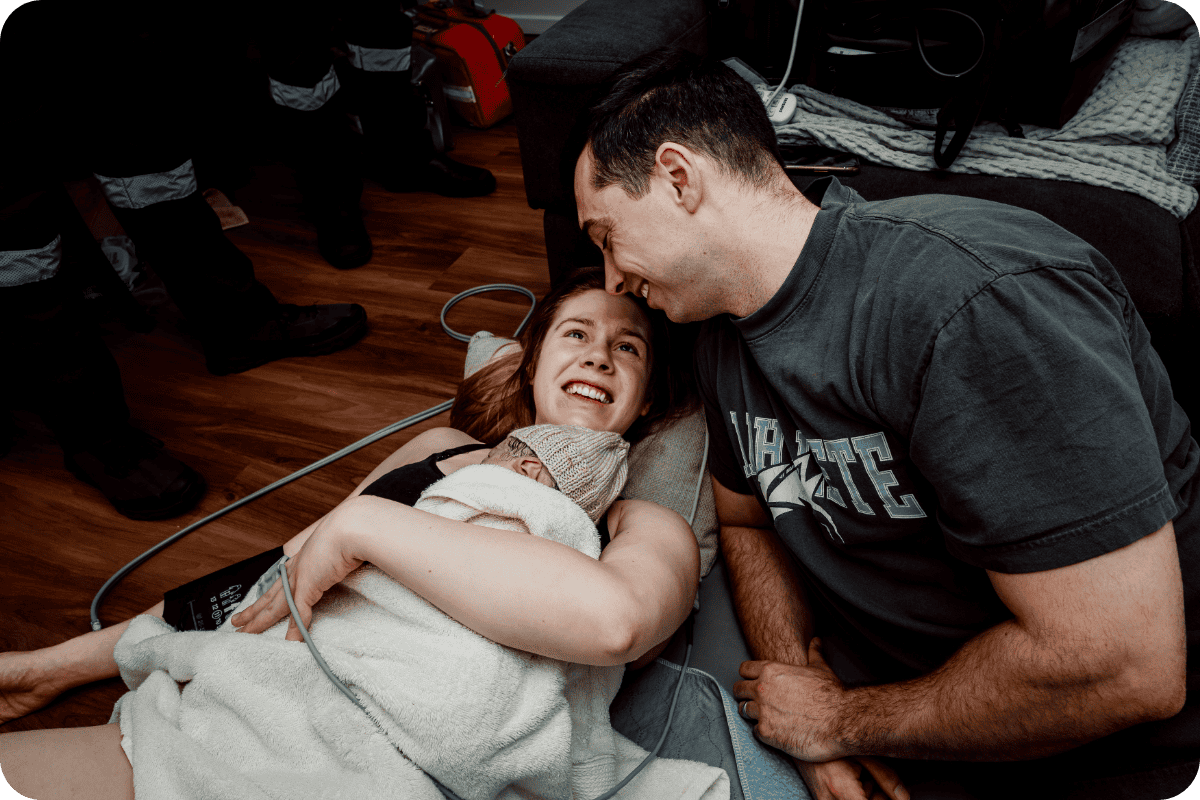
Born on the 1st of April, in unexpected fashion on the living room floor, Amira and Shona are doing very well.
Amira was born at 3.99kg and 49cm long, she will have a greet birth story to share!
Congratulations to Dave and Shona and enjoy this special time!
Back Pain
Back Pain is a very common condition - affecting up to 80% of people at some point in their lives (1).
But it is not all doom and gloom - most back pain WILL settle within 6 weeks with appropriate management (2). And most back pain is termed non-specific which means that there is no specific, structural cause.
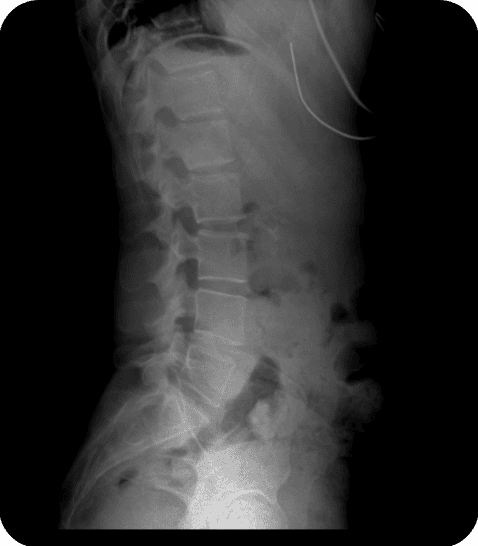
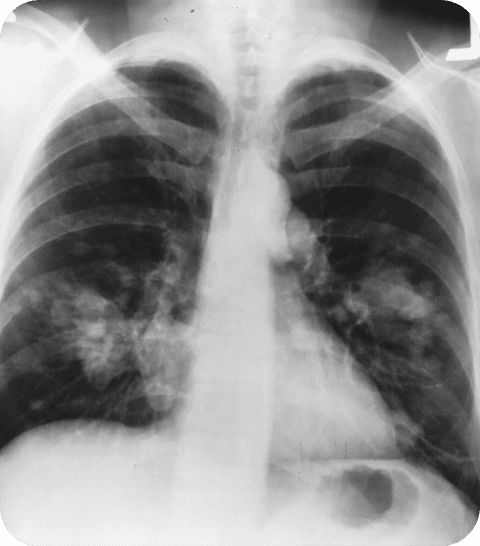
Below, we look at the limited importance of scans (x-rays, CT scans and MRI's), how to correctly lift and the best evidence for managing low back pain.
 |
 |
Do I need a scan?
In short - potentially not. According to some studies, scans may be detrimental, with those who have a scan more likely to have chronic and ongoing problems (3). There are some instances where a scan can be beneficial - but scans are often overused (3).
Things that may mean you need to have a scan may include problems with bladder and bowel function, pins and needles in BOTH legs or unexplained weight loss.
Statistically - 1 out of 3 20 years olds with no pain or history of back pain will have degeneration or a disc bulge! (4)
Degeneration and disc bulges are NOT a diagnosis - they are common and not significant. Look at the table above to see how prevalent different conditions are for each decade of life!
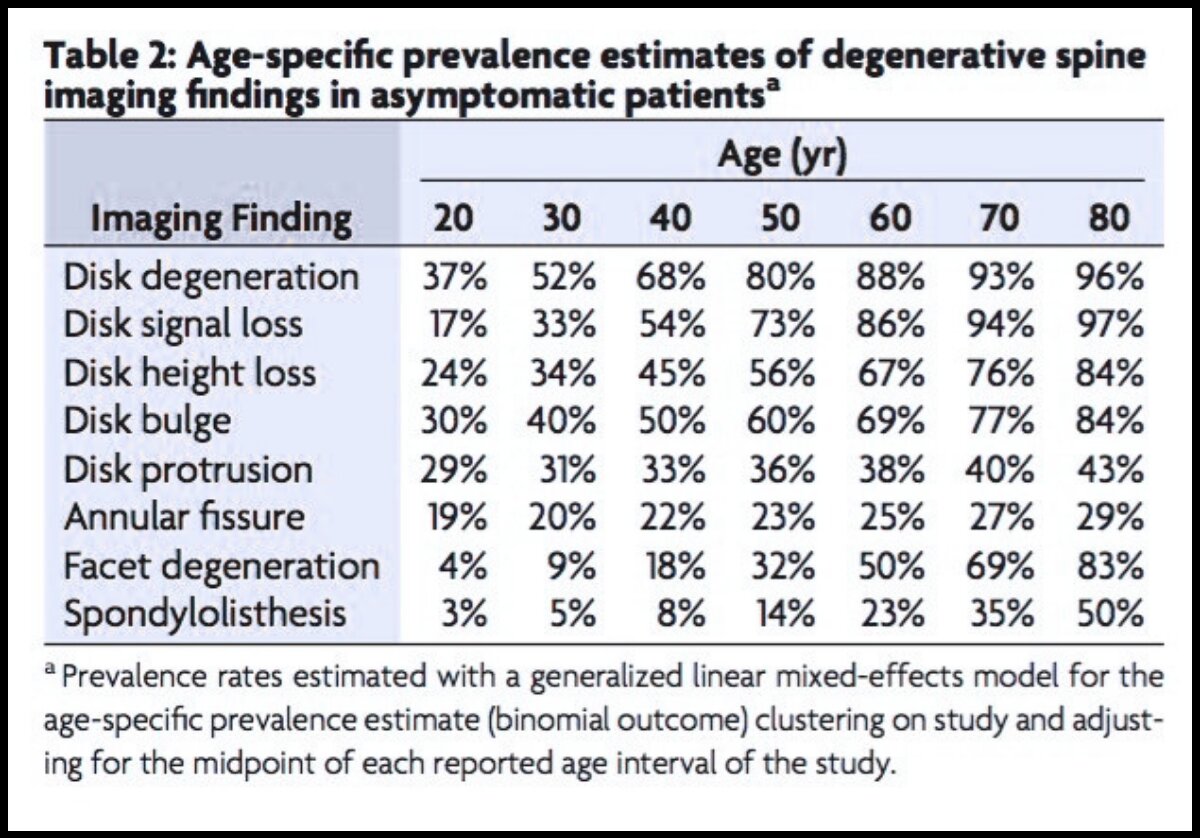
Table 2 Source: (5)
What is the best exercise for back pain?
The question should be - what do you enjoy doing?
There are a lot of different exercises for back pain that have been found to be beneficial - and the common link is that they all involve movement. Even walking in acute low back pain is beneficial.
Evidence has shown clinical exercise reduces the risk of recurrent back pain by 35% (6)(7). If there was a tablet that would do that - everyone would be taking it!
So why don't more people do it?
It mostly is about fear. Often GP's, scans and many physios may instil fear of movement, which can be counterproductive to the solution - movement!
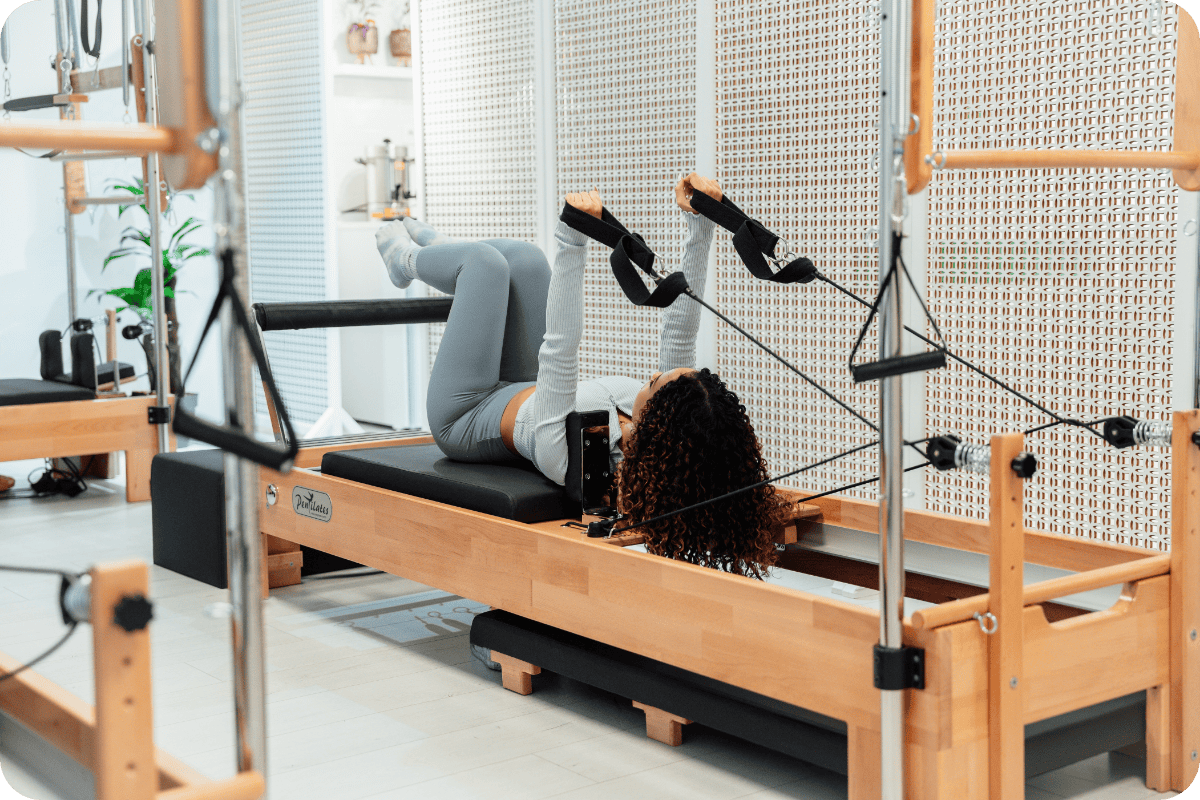
Neuro Conditions
Did you know that physios can help to treat and rehabilitate neurological conditions?
Sarah has a particular interest in these conditions and has written some blogs and provided some evidence for physiotherapy in these conditions.
Please see the links below for information on Parkinson's Disease, Stroke, Multiple Sclerosis, Peripheral Neuropathy and other conditions that Physios can help.
 |
THE IMPORTANCE OF EXERCISE
|
We all know that exercise is super important when it comes to a healthy lifestyle, but did you know that it is a key pillar in pregnancy and in cancer rehab and management? Kate has done additional training in cancer management and women's health management and is well positioned to help if you need guidance on navigating exercise during pregnancy or cancer management.
|
|
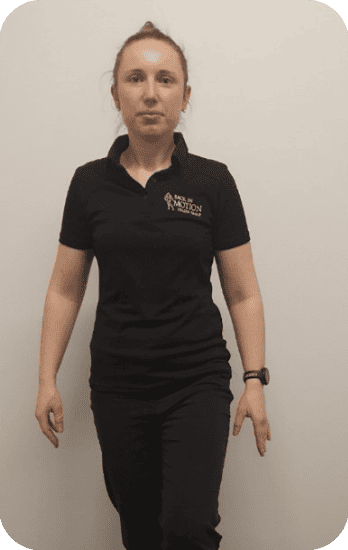
Check out these blogs from our physio Kate!
Additionally, Kate has done further training in the management of lymphoedema.
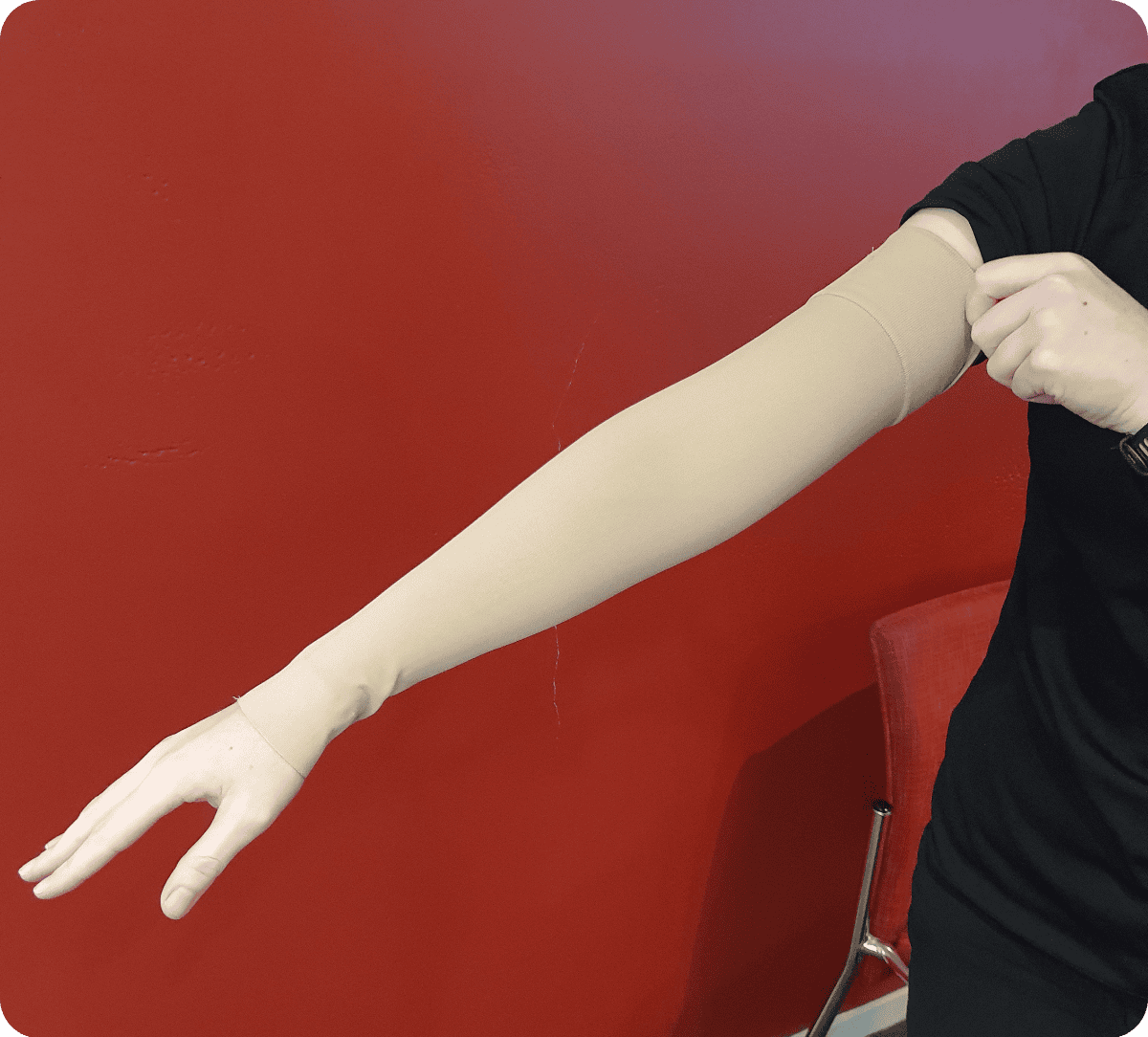
She has attended various events including the Australasian Lymphology Association conference in Adelaide, gaining further insights into lymphoedema management including the prescription and fitting of compression garments.
Check out some information on lymphoedema and compression garments below!
 |
You can check out some videos relating to pregnancy and cancer exercise as well as lymphoedema massage and compression options via our facebook and instagram pages!
 |
 |
Kind regards,
Back In Motion Aspendale Gardens
This email was sent to {{Email}}. To unsubscribe please click here.
© 2026 Back In Motion
References:
1. Hoy D, Bain C, Williams G, March L, Brooks P, Blyth F, Woolf A, Vos T, Buchbinder R. A systematic review of the global prevalence of low back pain. Arthritis Rheum. 2012;64(6):2028–2037.
2. Menezes Costa LC, Maher CG, Hancock MJ, McAuley JH, Herbert RD, Costa LOP. The prognosis of acute and persistent low-back pain: a meta-analysis. Can Med Assoc J. 2012;184(11):E613–E624.
3. Jarvik JG, Hollingworth W, Martin B, Emerson SS, Gray DT, Overman S, et al. Rapid magnetic resonance imaging vs radiographs for patients with low back pain: a randomized controlled trial. JAMA. 2003;289(21):2810–2818.
4. Brinjikji W, Luetmer PH, Comstock B, Bresnahan BW, Chen LE, Deyo RA, Halabi S, Turner JA, Avins AL, James K, Wald JT, Kallmes DF, Jarvik JG. Systematic literature review of imaging features of spinal degeneration in asymptomatic populations. AJNR Am J Neuroradiol. 2015;36(4):811–816.
5. Brinjikji W, Luetmer PH, Comstock B, Bresnahan BW, Chen LE, Deyo RA, Halabi S, Turner JA, Avins AL, James K, Wald JT, Kallmes DF, Jarvik JG. Systematic literature review of imaging features of spinal degeneration in asymptomatic populations. AJNR Am J Neuroradiol. 2015;36(4):811–816.
6. Steffens D, Maher CG, Pereira LSM, Stevens ML, Oliveira VC, Chapple M, Teixeira-Salmela LF, Hancock MJ. Prevention of low back pain: a systematic review and meta-analysis. JAMA Intern Med. 2016;176(2):199–208.
7. Saragiotto BT, Maher CG, Yamato TP, Costa LOP, Menezes Costa LC, Ostelo RWJG, Macedo LG. Motor control exercise for chronic non-specific low-back pain. Cochrane Database Syst Rev. 2016;(1):CD012004.