

Winter has well and truly arrived, and with many sporting codes hitting their mid-season break, it's a good time to give the body a rest and prepare for the back half of the year. It's also a great time to brush up on a few things you can do at home to manage niggles and support recovery.
In this post, our team shares some simple taping techniques you can try at home, plus an important health message for June. Looking to stay active through the cooler months? Have a read of our winter exercise blog first.
Knee taping you can do at home
Our physiotherapist at Back In Motion Aspendale Gardens, Vincent, has put together a couple of quick videos demonstrating taping techniques you can try at home if you're managing an injury starting with knee taping.
Knee taping can be helpful if you're experiencing knee pain. It's worth knowing, though, that there are many different ways to tape a knee. While the technique Vincent demonstrates is appropriate for some conditions, it isn't the right choice for every knee injury. The best first step is always an assessment with a physiotherapist to confirm whether taping is suitable for you.
A few general taping tips to keep in mind:
- If the tape makes your skin red or itchy, take it off straight away.
- You can usually shower with the tape on — just pat it dry afterwards.
- Tape can generally be left on for a couple of days in the acute stage, or worn for the duration of an event (for example, to help get through a game and reduce injury risk).
- Always have your injury assessed first, so you know the tape is right for you and that returning to your usual activities is advisable at that time.
Watch Vincent's knee taping video
What is lymphatic taping?
Continuing the taping theme, our Lymphoedema Physio, Kate, has shared some insight into lymphatic taping.
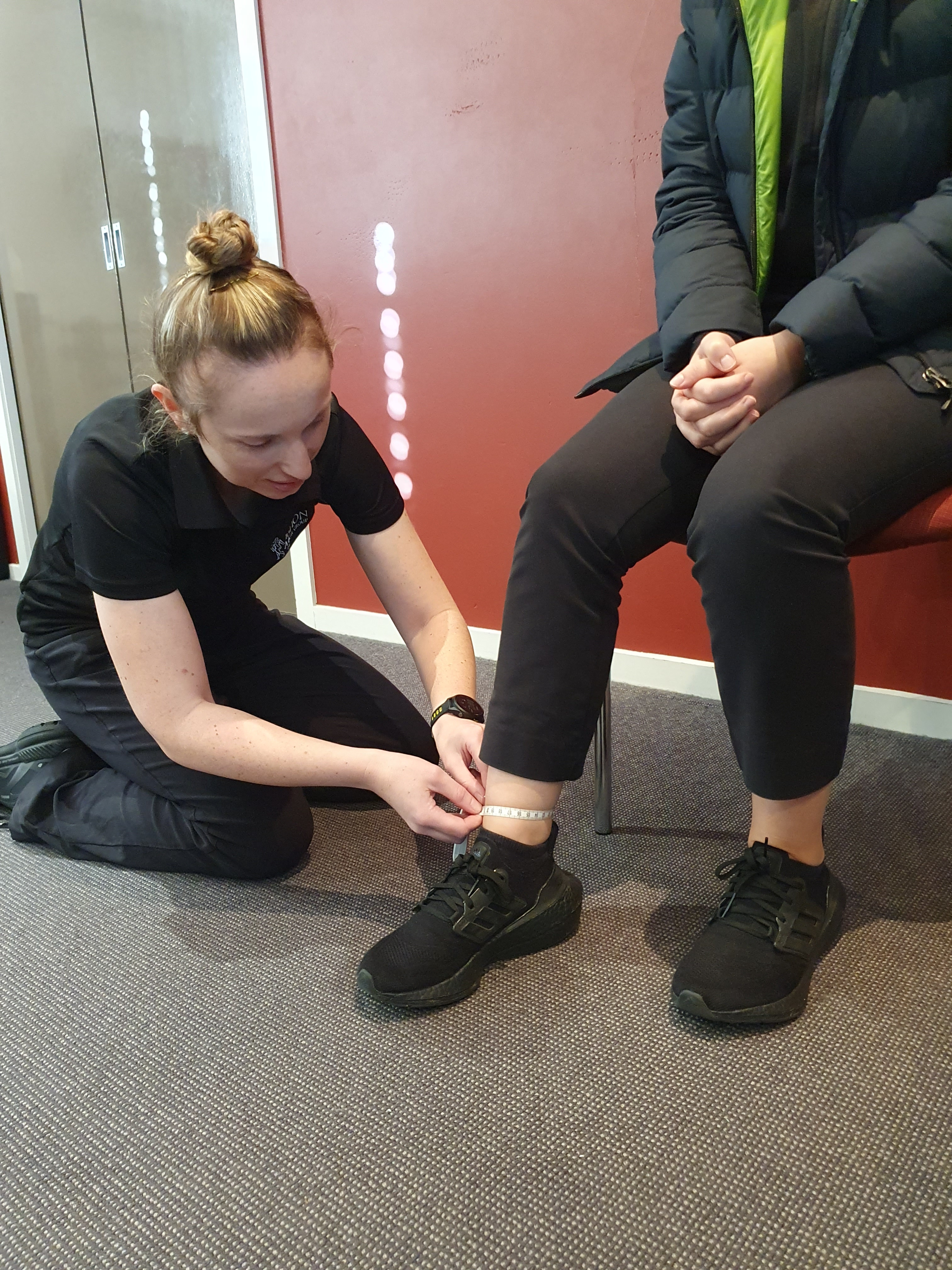
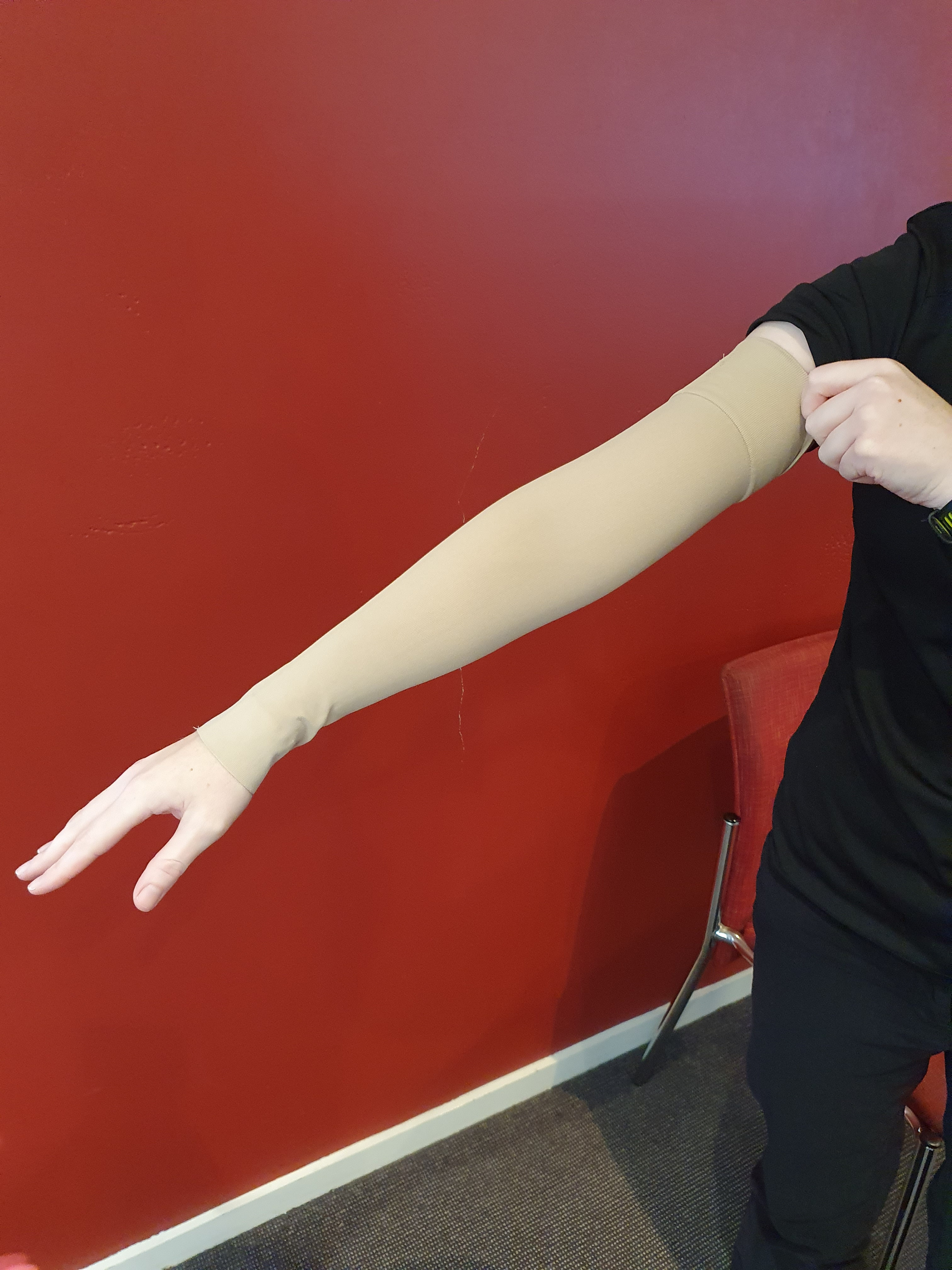
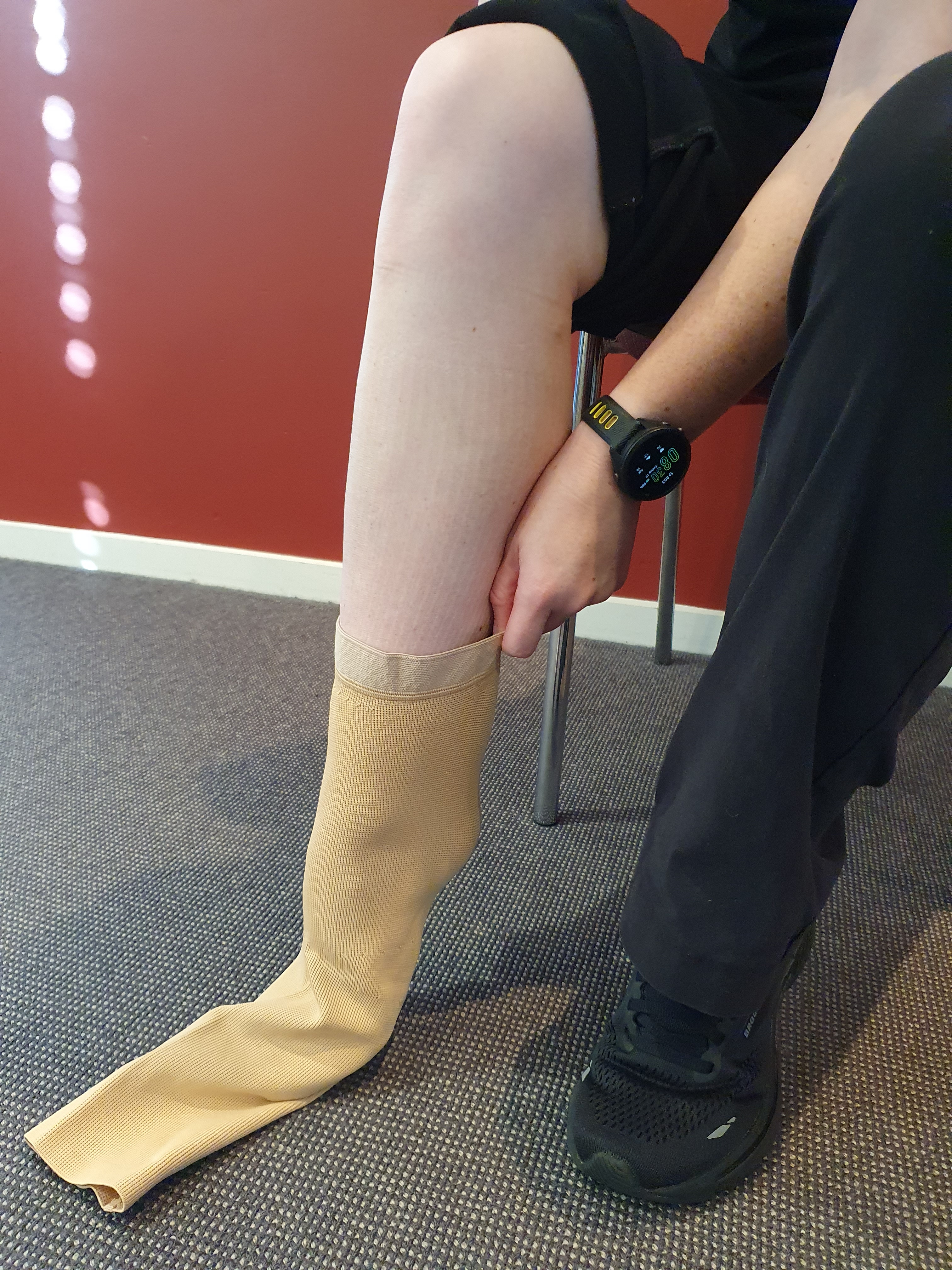
Lymphatic taping differs from rigid sports taping. Rather than supporting or restricting a joint, it's designed to assist the movement of fluid along the lymphatic pathways, helping to reduce swelling. It's typically used to manage mild to moderate cases of lymphoedema.
It's worth noting that lymphatic taping is different to lymphatic bandaging, which uses bulkier bandaging and may be necessary in more severe cases of lymphoedema.
Lymphatic taping can be used to support lymphoedema management (provided the skin isn't allergic to the tape) by improving fluid movement along existing lymphatic pathways. The same approach can also help with swelling from other conditions, such as haematomas and post-surgical recovery.
If you think lymphatic taping could be beneficial for you, ask your physiotherapist or lymphoedema therapist whether it's appropriate for your situation.
 |
 |
 |
June is Lipoedema Awareness Month
Throughout June, Lipoedema Australia is raising awareness of lipoedema to build a better understanding of this chronic condition.

What is lipoedema?
Lipoedema is a chronic condition that causes an abnormal build-up of fat and connective tissue, usually around the hips, legs and arms. It's different to both lymphoedema and general weight gain, and symptoms can include pain, swelling and bruising.
Lipoedema often becomes more noticeable after hormonal changes such as puberty, pregnancy and menopause. Management usually involves a combination of approaches, including physiotherapy, compression garments or pumps, exercise, diet and — in some cases — surgery.
If you'd like to learn more, you can visit the Lipoedema Australia website, or call our clinic to ask about a Lipoedema Assessment.
Kate is specially trained in the assessment and management of both lymphoedema and lipoedema conditions that aren't ordinarily managed by generalist physiotherapists. That makes her perfectly positioned to help.
Book an assessment
Whether you have a question about taping, want to know if a technique is right for you, or would like a lipoedema assessment, our team is here to help.