

We hope that you have had an enjoyable start to the year! But can you believe it? March is only a week and a half away!
With school starting, everyone back at work and sports and activities in full swing, Christmas and the holiday break are distant memories.
|
SCHOOL IS BACK! ...and so are those heavy backpacks! Be sure to check out the link below to see some tips on optimising the daily carry and make sure that young backs are strong and in good shape heading to school! |
|

LYMPHOEDEMA Q&A
What is Lymphoedema and how is it different to normal swelling?
Lymphoedema is an accumulation of protein rich fluid that is normally drained by the lymphatic system.
It occurs when the lymphatic system is blocked or injured.
It is different from inflammation (oedema) which is when an excess of fluid (for example, after a sprained ankle) can’t be efficiently removed.
In plain terms, if you injure yourself and get swelling this is just an excess of fluid, whereas lymphoedema occurs when your lymphatic system is actually injured.
How can physio help?
Lymphoedema trained therapists (which may be physios, nurses, doctors or other health professionals) can assist the swelling and fluid to help determine if the fluid is lymphoedema and to assist with reducing the size.
Take a look at the video of our physio Kate performing Lymphoedema massage.
Treatment
Treatment may consist of exercise, compression therapy and lymphatic drainage. You may also be advised to use pumps which can further assist with fluid level reduction.
How to Book
Book an initial appointment by clicking Book Online, or Call Clinic and state that you are wanting an appointment for lymphoedema.

COMPRESSION GARMENT SCHEME
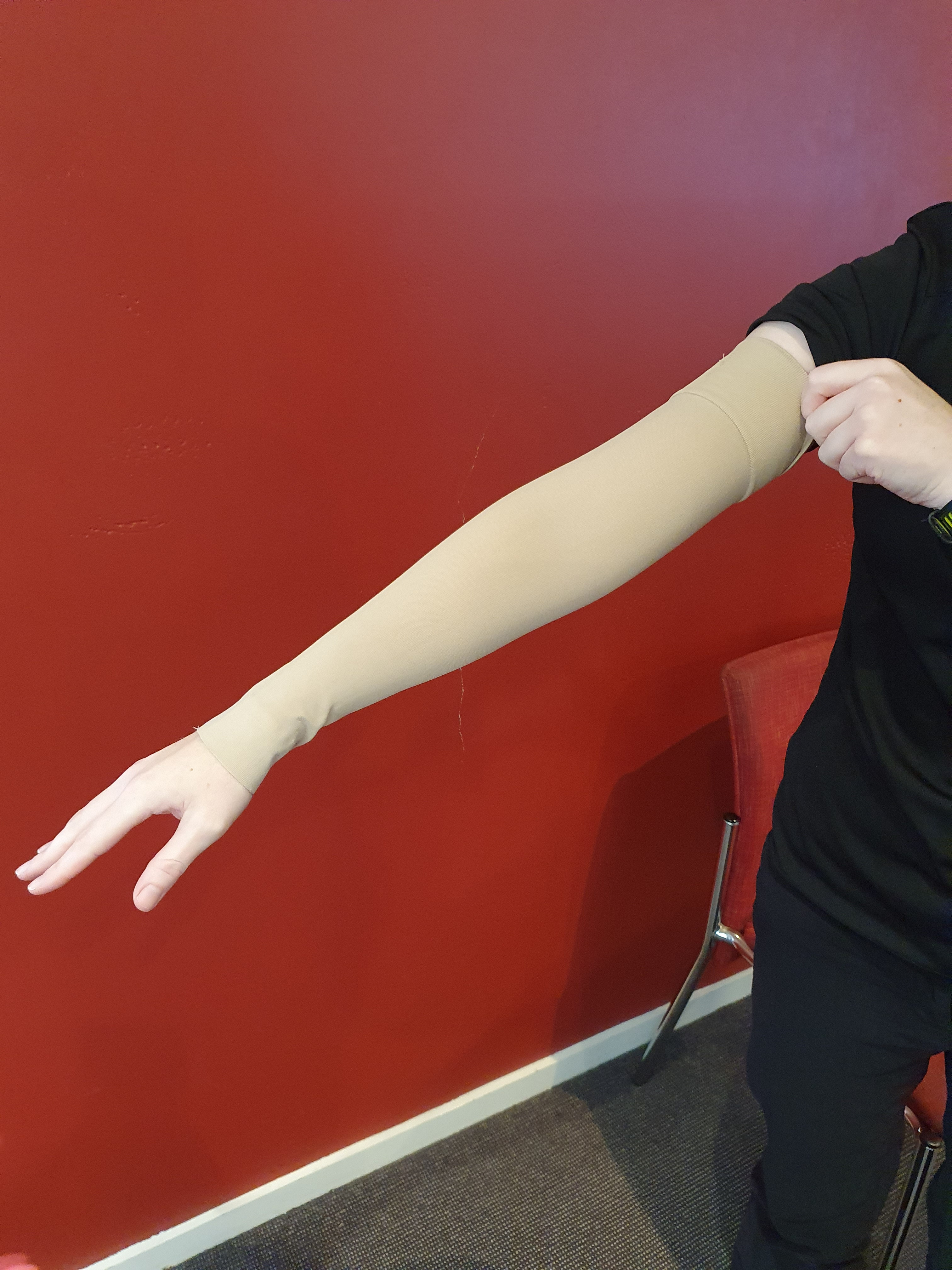
Did you know that the Victorian government has a funding scheme for compression garments for individuals with a diagnosis of lymphoedema?
- To be eligible you must:
- Be a Victorian resident
- Have lymphoedema
- NOT receive any other funding for compression (for example from aged care, hospitals, private health or other government schemes)
Funding for compression garments is available per affected limb for up to 4 garments (or 2 wrap systems) annually to allow for 6 months of wash and wear over a 12 month period.
To access this funding you must see an accredited SWEP lymphoedema practitioner who will assess if you are eligible, and process the application.
For further information, make an appointment with Kate Jones at Back in Motion to discuss your eligibility.
You can also visit the SWEP website at the link below to find out more about applying for Lymphoedema Compression Garments, the SWEP process, and criteria.
*Please note this scheme does not include funding for head, neck and trunk
lymphoedema, the garments must be used for the arms and legs.
SCARS AND MASSAGE
Our massage therapist, Jess, recently completed additional training in the management of scar tissue. Below she outlines information about scars and the pros and cons of scar tissue management with massage therapy.
A scar forms when the body repairs tissue that has been damaged. This damage may result from surgery, injury, burns, or infection.
Scar tissue is primarily made of collagen fibres, which fill the wound and knit the area back together to close the injury.
These collagen fibres are thicker and more densely packed than those found in healthy, undamaged skin.
This difference in structure is why scars often look and feel different from the surrounding skin.
While scars are a natural part of the healing process, they can sometimes cause mobility restrictions, discomfort, or pain.
Some scars affect nerve pathways, leading to altered sensation such as numbness, reduced sensitivity, or a “pins and needles” feeling.
Scars may also have an emotional impact, acting as a reminder of trauma or an unpleasant experience, or affecting confidence due to their size, location, or appearance.
Types of scars include:
-
Atrophic - Indented or hollow scars caused by a lack of collagen, such as acne scars or stretch marks.
Hypertrophic - Raised scars caused by excess collagen production. These remain within the boundaries of the original wound and may improve over time.
Keloid - Raised scars caused by an overproduction of collagen. These extend beyond the original wound and typically do not improve over time.
Contracture - Tight, inflexible scars that pull on surrounding tissue, most commonly caused by burns.
Normotrophic - Flat, pale scars that are flexible and closely resemble the surrounding skin.
Scar treatment with massage
There are effective ways to reduce scar tissue restrictions, pain, and altered sensation, as well as improve appearance.
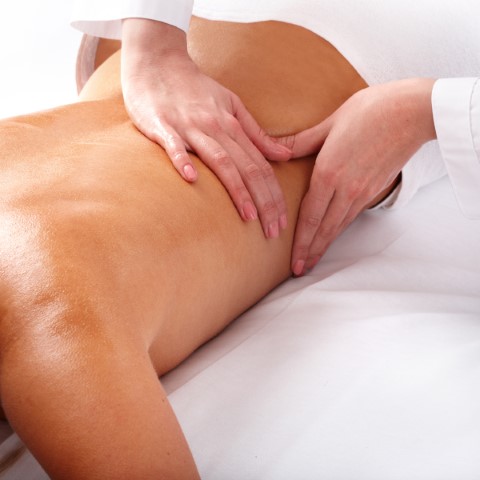
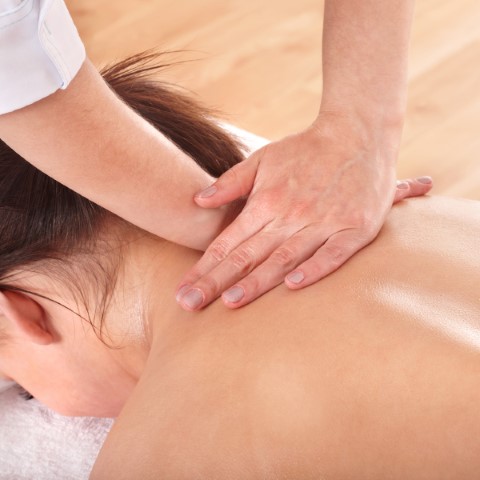
Massage is a minimally invasive and effective treatment option for most scars. Using specialised techniques, scar massage can help break down fibrous tissue and adhesions while increasing circulation to the area.
Potential benefits of scar massage include:
- Improved flexibility and range of movement
- Reduced pain, sensitivity, or numbness
- Improved texture and appearance
Over time, scars often become softer and flatter, helping them blend more naturally with the surrounding skin.
Scar massage can usually begin around 8 weeks post-injury or surgery, once the wound has fully healed. Some people notice improvements after a single session, while others may require multiple treatments depending on the scar’s size, type, and severity.
Does a scar need to be new?
Scars do not need to be recent to benefit - older scars can still respond very well to treatment.
Scar massage techniques can also be beneficial for other conditions involving fascial or soft tissue restriction, including plantar fasciitis, Dupuytren’s contracture, carpal tunnel syndrome, and axillary web syndrome.
Treatment can also be safely performed on scars that are covered by tattoos.
When should scar massage be avoided?
Scar massage should not be performed if a wound is still healing or if there are signs of infection.
If you are currently undergoing treatment for cancer, recovering from cancer, or being monitored by an oncologist, clearance from your medical team is required before treatment.
Scar massage should also be avoided over areas with surgical mesh beneath the tissue, as this may cause irritation.
Kind regards,
Back In Motion Aspendale Gardens