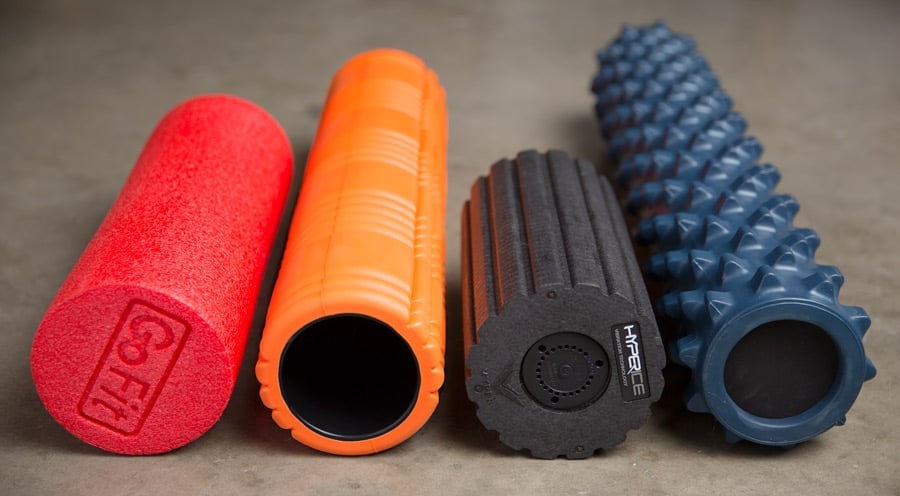
If you're a young athlete focused on performance and recovery, a foam roller is a smart, affordable tool to add to your kit. It helps keep muscles healthy and ready for action.
While experts are still figuring out exactly how foam rolling works, theories suggest it loosens fascia (connective tissue), eases tight spots or “trigger points,” and may reduce pain signals to the brain. Regardless of the exact science, it’s widely recommended by athletes and health professionals for its consistent benefits.
Three Key Ways to Use a Foam Roller:
Before Training or Competition 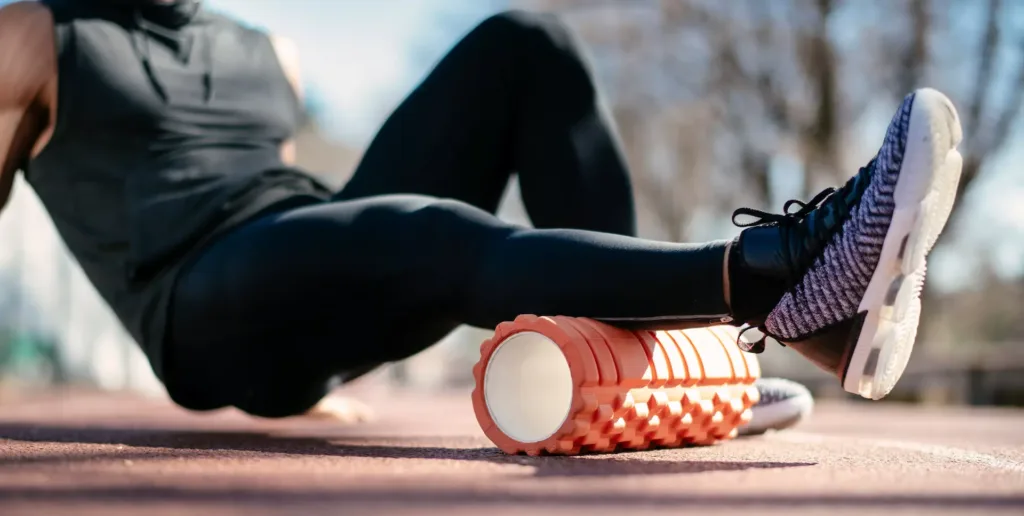
Foam rolling during warm-ups can improve flexibility and mobility without reducing strength, unlike static stretching. Paired with dynamic stretching, it’s a great way to prep for sport.
After Sport or Exercise
Post-exercise rolling helps reduce tightness and soreness, aiding recovery and helping you feel less stiff the next day.
Injury Support
Foam rolling can help manage muscle tension or discomfort from overuse or minor injuries. It’s not a cure, but a helpful part of a larger recovery plan alongside professional care.
How Long Should You Roll?
Start with 1–2 minutes per muscle group. For general use, roll before and after workouts. For injury recovery, daily rolling might be recommended—just follow guidance from a physio or health expert.
Don’t Have One Yet?
If you haven’t added a foam roller to your gear, now’s a good time. It’s easy to use and can boost both your training and recovery. Not sure where to start? Ask your physio to show you the right techniques for your goals.