Osteoporosis and Physiotherapy/Exercise Physiology
Osteoporosis is when the structure of bone is compromised, making it weaker and less dense, and the bone has an increased risk of breaking (1). You may have heard of this condition before, but what does osteoporosis look like practically, and what does low bone density mean?
Prevalence and Diagnosis
Healthy Bones Australia estimate that as of 2024, 1.2 million Australians are diagnosed with Osteoporosis while a further 6.3 million live with lower-than-normal bone density (osteopenia) (1). It is also known as a silent condition as it does not necessarily present with pain or any outward symptoms. Osteoporosis is diagnosed with a DEXA scan, and as a result, it is expected that there are many more undiagnosed cases of osteoporosis.
Osteoporosis can affect anyone, but some people are at higher risk than others. This includes post-menopausal women, older adults, smokers, and people with low calcium or vitamin D levels (1, 2). Our bones are at their strongest between about ages 20 and 30. After this point, bone strength slowly starts to decline as part of the natural ageing process. For women, this decline can speed up after menopause. This is mainly due to lower levels of oestrogen, a hormone that helps keep bones strong. Oestrogen plays an important role in bone health by helping to balance the process of bone renewal. It supports the activity of cells that build new bone, helps control cells that break bone down, and also helps maintain healthy, mature bone tissue. When oestrogen levels drop, this balance is disrupted, and bone loss can happen more quickly.
The good news is that there are ways to support bone health and reduce the risk of fractures. Lifestyle choices such as regular weight-bearing exercise, getting enough calcium and vitamin D, not smoking, and staying active can all help slow bone loss and support stronger bones over time.
How does exercise work?
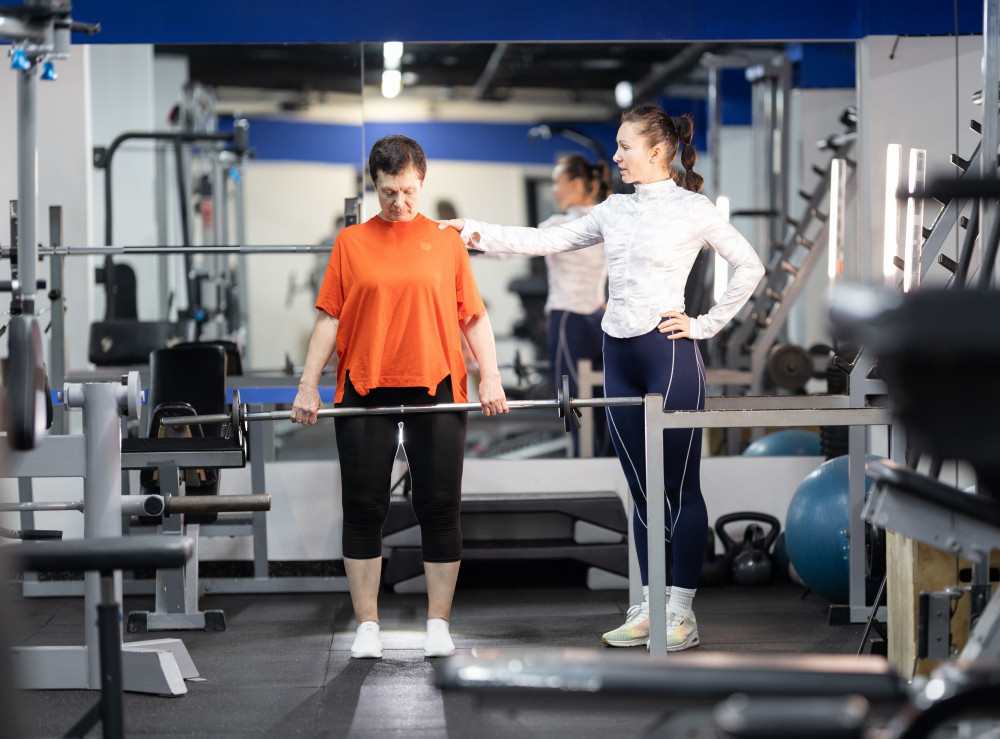
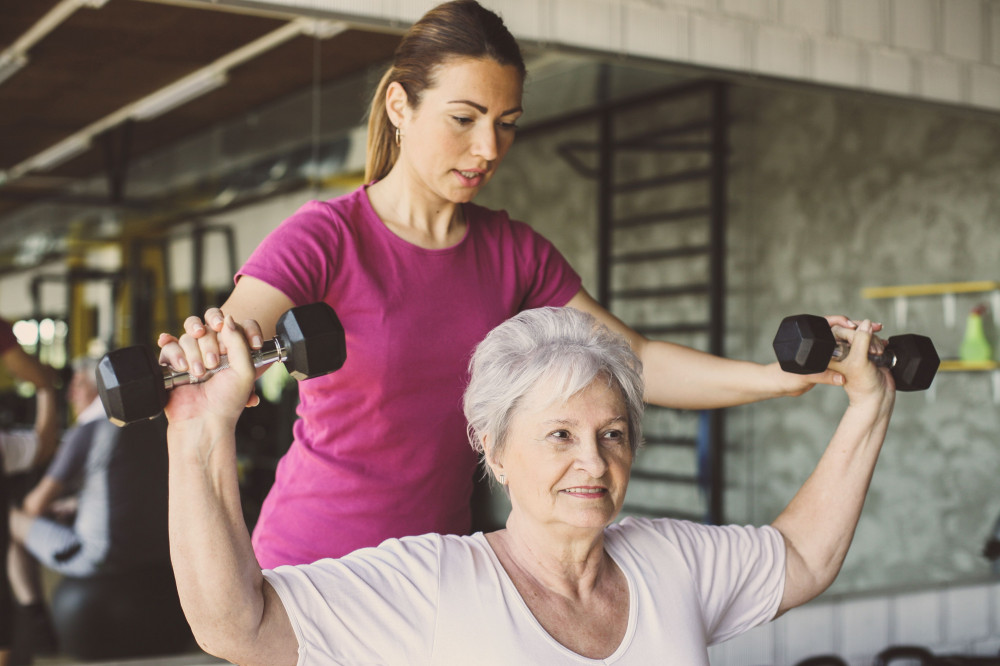
Incorporating high-intensity resistance and impact-based exercises is an essential part of managing low bone density (2-4). These types of exercises help by creating both compressive and tensile stresses at the bone site, which is the stimulus that our body needs to adapt and build more bone tissue.
Some examples of resistance and impact exercises that your Exercise Physiologist or Physiotherapist might prescribe for you include:
- Squats
- Deadlifts
- Rows
- Overhead press
- Jumping
- Hopping
These are a small selection of exercises that may be included in a comprehensive program tailored to you based on your medical history or exercise participation in the past. More importantly, the chosen exercises need to be performed under adequate loading and frequency for the bones to recognise that they need to adapt (2-4). Two or more sessions per week of high-intensity (heavy weight) and low-repetition resistance exercise is advised to create enough stress for the bones to respond and rebuild (3). The best part about it? It has been proven to be very safe under supervision and guidance, even if you have osteoporosis or have had a fracture before (3)!
To some, this may sound like something they are fearful of as they may feel frail, or maybe it is not a type of exercise they have participated in before. However, under professional supervision from an Exercise Physiologist or Physiotherapist with appropriate progression, you should be exercising optimally for your current level of ability and feel safe and confident in doing so.
Expectations and outcomes
Many people might feel upset if their follow-up DEXA scan doesn't show their bones getting stronger. Remember, the main goal is to slow age-related changes and bone loss early on. Even small improvements are important. The most important thing is to stick with regular exercise and keep working at it over time to help your bones stay healthy.
What can I do to prevent osteoporosis or take action?
Start early!
Having a higher peak bone mass when you are younger might allow for the effects of age-related bone resorption to be minimised. If you are a younger individual, get involved in a social impact-based sport and lift some weights with a partner to promote higher peak bone mass. Spread the word! Promoting impact or resistance exercise/sports to members of our families (particularly the young ones) can help to set them up for life.
See an Exercise Physiologist or Physiotherapist
Involve yourself in an individualised high-intensity resistance exercise program 2-3x weekly to promote bone remodelling (2, 3). Age does not exclude you from lifting weights and it is never too late to get started.
Engage your GP and/or endocrinologist
Discuss the suitability of pharmacological management for your bone and hormone health (2). You may require some additional assistance to get the most improvement out of your bones .
Balance training
Work on your static and dynamic balance to reduce the risk of falling over. If you can stay on your feet, then you reduce your risk of fracture (2).
If you’re concerned about osteoporosis or your bone health, an Exercise Physiologist or Physiotherapist can help you with a safe, individualised exercise program to improve strength, balance, and reduce fracture risk. Early intervention makes a big difference in protecting long-term mobility and independence. Contact your local Back In Motion clinic to book an appointment today.
References (APA 6)
https://healthybonesaustralia.org.au/your-bone-health/about-osteoporosis/
Healthy Bones Australia. (2024). Bone health explained: Consumer guide (4th ed.). https://healthybonesaustralia.org.au/wp-content/uploads/2024/12/hba-consumer-guide-04-12-24.pdf
Watson, S. L., Weeks, B. K., Weis, L. J., Harding, A. T., Horan, S. A., & Beck, B. R. (2018). High-intensity resistance and impact training improves bone mineral density and physical function in postmenopausal women with osteopenia and osteoporosis: The LIFTMOR randomized controlled trial. Journal of Bone and Mineral Research, 33(2), 211–220. https://doi.org/10.1002/jbmr.3284
Kerr, D., Morton, A., Dick, I., & Prince, R. (1996). Exercise effects on bone mass in postmenopausal women are site-specific and load-dependent. Journal of Bone and Mineral Research, 11(2), 218–225. https://doi.org/10.1002/jbmr.5650110211